Author Archive: JoAnn Woodside

HS HONEY COMB (“COMB”)

Your first impression of Honey is a sweet, classic-looking golden beauty with expressive eyes rimmed by natural black eyeliner and a noticeably curled tail that she can carry high, even over her back.  But under that demure exterior lives a plucky determined 57-pound racer who, in her dozens of races, brought in money more often than not.  She even racked up 3.0 performance points along the way. Honey is a friendly, outgoing girl who is sure to steal hearts in her quest for a forever home.
(more…)

JET FAST HERMAN (“HERMAN”)

Herman is a very friendly, attention-seeking youngster.  His rich brindle coat is accented by an unusual very dark face. Although he comes from strong racing bloodlines, he apparently was not cut out to be a racer.  He completed just 8 races, was not a factor in any of them, and so was retired a month ago at the ripe old age of 2. He arrived here with his sister, PAT MY QUICK, who is also available for adoption.
(more…)

RAZOR ALLIN (“ALLIN”)

Allin first arrived at Greys’Land a year ago as a 2-year-old pup. According to his records, he had never set foot on a professional racetrack. He was very good-looking — about 95% white, with a red patch over his left eye and another one across his hips. We were told “he’s a bit shy with new people and situations but warms up quickly”. In no time we found him to be very friendly and playful. He was soon adopted and has lived in a home until recently when he was returned to us. His owners said that he was afraid to go outside because of the noise of nearby construction and so they felt their environment was just too stressful for him.  Allin is a gorgeous guy — even more handsome than he was when we first met him a year ago. He has settled in beautifully at Greys’Land. It is apparent that his confidence blooms when he is in the company of other Greyhounds.
(more…)

TRANCING

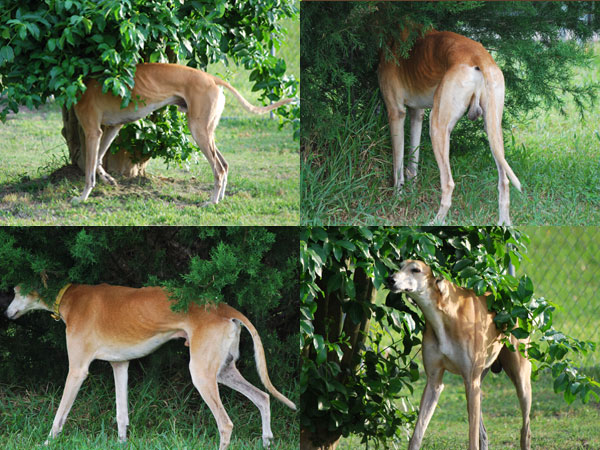
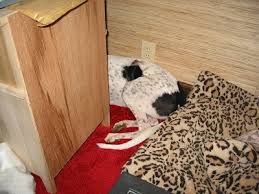
TrancingSome Greyhounds are known to engage in what is referred to as “trancing”.  They will move back and forth very slowly under a tree branch or a bush — or even a tablecloth or hanging clothes in a closet — that touches and rubs across their back. They appear to be in a trance and are often unable to be distracted by a squeaky toy or someone calling them.  This is not any kind of a seizure and is not associated with any known neurological disorders.  In fact, it is quite normal, especially in Greyhounds and Bull Terriers. Whatever the cause, the dog seems to find the activity quite relaxing and immensely enjoyable, perhaps much like the human response to a massage.

SMILING

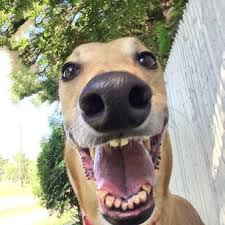
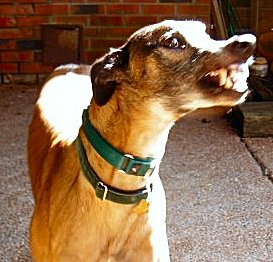
GH smiling 2GH grin1Some Greyhounds, when they are happy and excited, are prone to smiling.   Unfortunately, some people misinterpret that show of teeth as intimidating and a sign of aggression. We owners understand this is the farthest thing from the truth and cherish our goofy Greyhound smiles.

GH smile


ROACHING

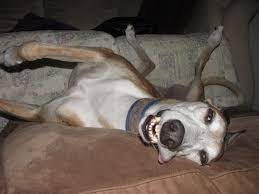
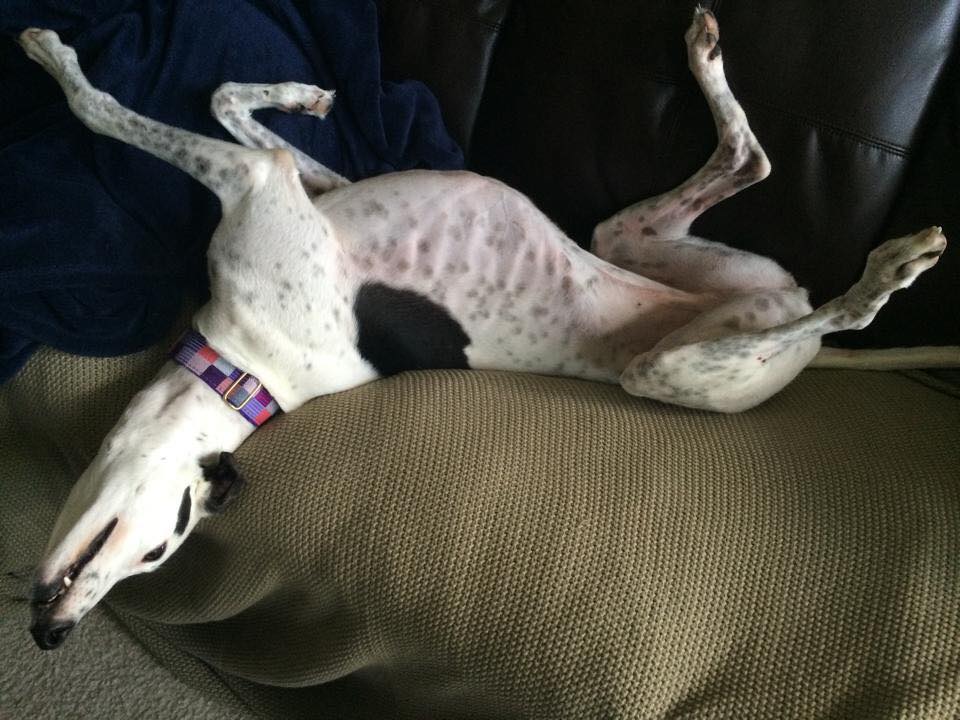
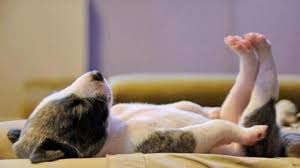
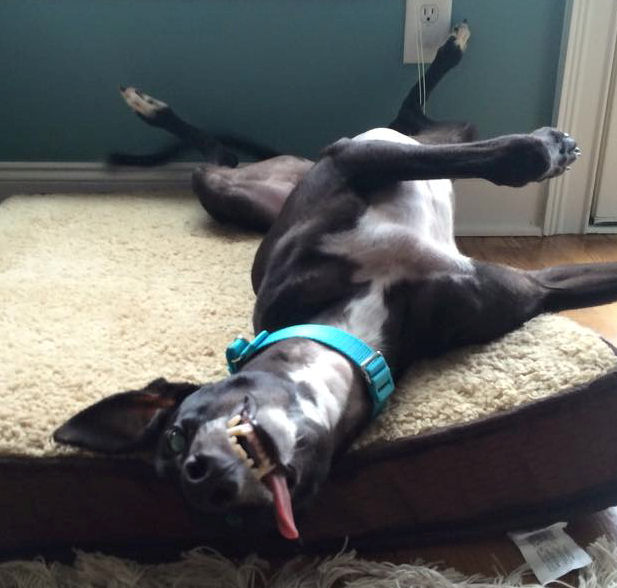
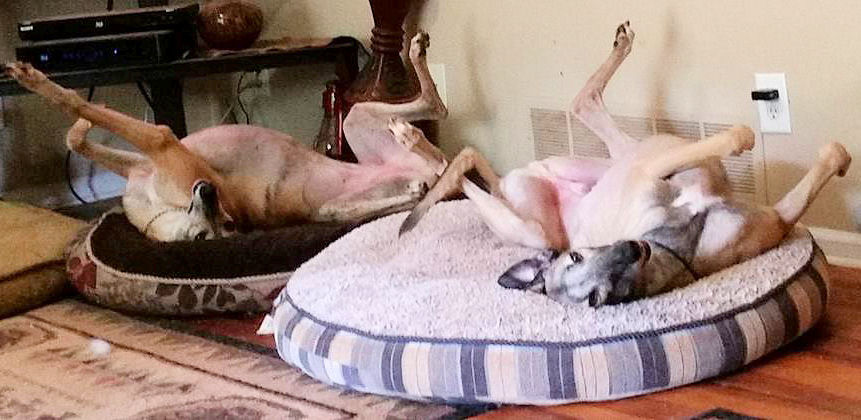
GALLOWS HILL (Joy)_the dead roach_July 2015One of the most laughable of Greyhound idiosyncrasies is that of “roaching”.  Roaching is the Greyhound sleeping on his back with all 4 legs in the air, looking much like the dead insect of the same name.  Because it places the dog in such a vulnerable position, it is an indication that he feels perfectly comfortable and safe in his environment.

Puppy roaching

Fook_Luna 03-26-15C

Nirrti & BraTac_synchronized roaching2

THUNDERSTORM PHOBIA

GH thunderstorm phobiaThe Fall 2015 issue of Celebrating Greyhounds magazine contained a wonderful article by Jennifer Ng, DVM on “Thunderstorm Phobia” This is a must-read for those of you who live with Greyhounds who suffer from this sometimes emotionally crippling condition.


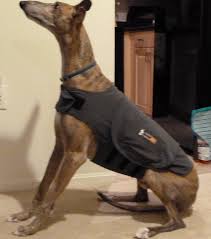
GH in ThundershirtShe offers a number of potential solutions, including training techniques, holistic approaches, new products and medications.


AAGA ALUMNI ARE BIG WINNERS!

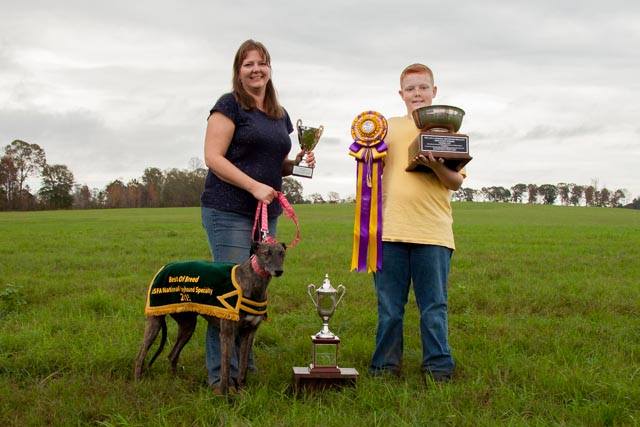
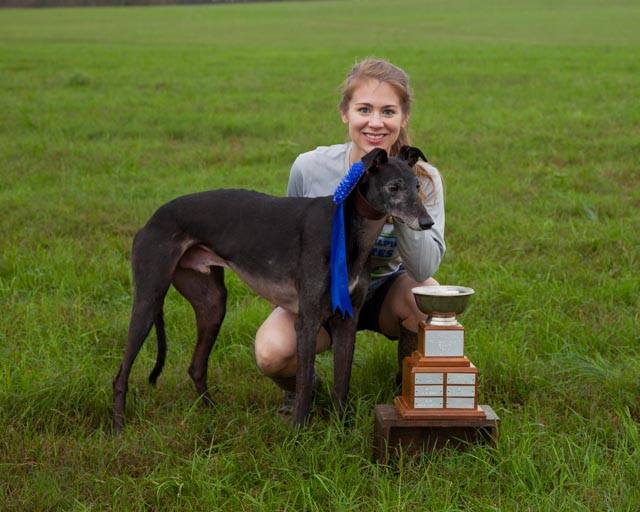
Heartiest congratulations go out to two AAGA alumni — BRIXEY and JETHRO — big winners at the 10th annual running of the ASFA National Greyhound Specialty, a major coursing event held on November 7, 2015, at Moreland, Georgia.


Brixey_Best of Breed Winner 2015BRIXEY (racing name: Brazil/Magpie), a 4½ year old brindle girl, took top honors as the Best of Breed winner.  Owned by Meredith Smith, Brixey first came to AAGA at the age of 18 months, having never set foot on a racetrack.  On just her second time out as a courser, Brixey won at last year’s running of this same event. Quite an accomplishment for this petite little girl written off very early as a professional racer!


Jethro_winner of Veteran stake 2015JETHRO (racing name: LK’s Gemini) took home the Veteran Stake trophy.  This handsome black boy adopted by Callie Cook turned 6 years old in October.  Claiming just mediocre success on the racetrack, this senior is now coming into his own as a top-notch courser!

CPR – THE ABC’s

The need to resuscitate your beloved pet in an emergency isn’t something most Greyhound owners want to think about. But it’s better to be safe than sorry, especially when it comes to saving the life of your hound.

American Red Cross logoThe  American Red Cross conducts local pet CPR classes for dog and cat owners, pet caretakers, and anyone who is interested in saving the lives of animals.

Their formula makes the technique simple to remember in the event of an emergency:

  • A is for Airway
  • B is for Breathing
  • C is for Circulation and Chest Compressions

To acquaint yourself with this procedure, check here.

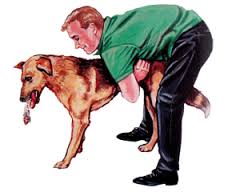
HEIMLICH MANEUVER

Pets, especially dogs, occasionally choke on things just as humans do.  Knowing how to respond appropriately to a choking emergency could save your pet’s life.

To identify the signs of choking in your pet and learn how to perform the Heimlich Maneuver, click here.

Heimlich maneuver3


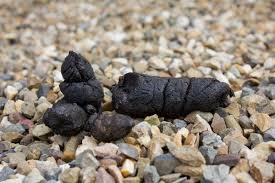
POOP SCOOP

Yes, this is a blog on poop!  Our thanks go out to its authors, Holly Harrington and Michael Owens of The Sighthound Underground, McLean, Virginia, for sharing it with AAGA.

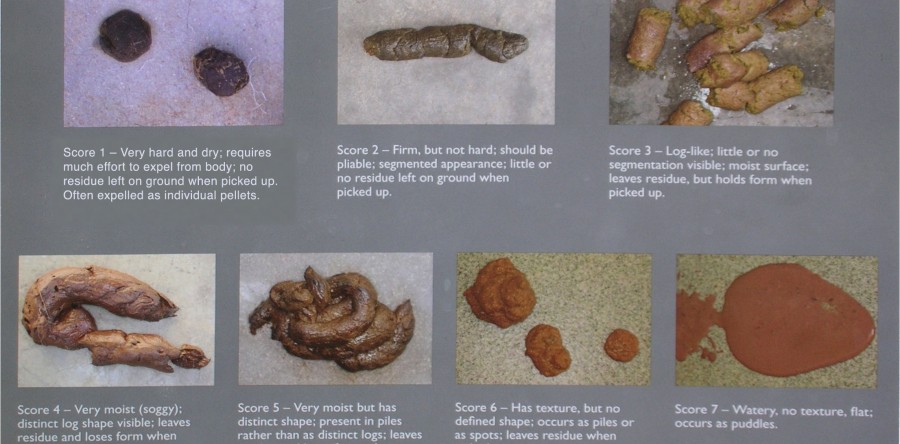
poop3Greyhound owners are often jokingly referred to as being obsessed with poop, maybe because so many of our ex-racers have tummy problems at one time or another. And, in all honesty, poop IS important, as its appearance can tell you (and your vet) so much about what is wrong with them.

If your hound is having elimination problems, here is a detailed method of categorizing his/her droppings:


fecal-scoring-900x444

(Click on picture to enlarge. Then use ← to return to article.)

So, now, for the full story, dig in (no pun intended!) to “The Scoop on Poop.

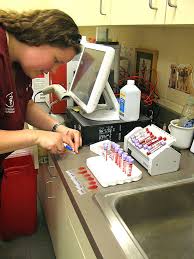
BLOOD CHEMISTRY OF GREYHOUND

lab tests3lab testsYour ex-racer’s blood chemistry is one of the principal ways he/she differs from all other dog breeds.  For this reason alone it is imperative that your veterinarian be very familiar with Greyhounds and their normal test levels. You’ll find a comprehensive list of these levels here.  You might want to discuss this material with your vet “just in case” a critical diagnosis is being made primarily based on bloodwork results.


BALD THIGH SYNDROME (BTS)

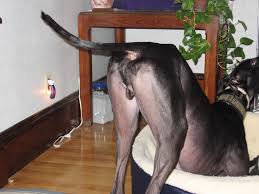
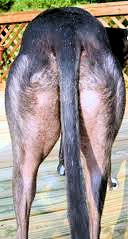
bald thigh syndromeGreyhounds are generally healthy hounds, but it does seem that alopecia (hair loss) is a fairly common condition in a number of ex-racers.  While it can occur in various regions around the body — belly, chest, neck, thighs, behind the ears — it most commonly affects the backsides of the hind legs, where it is known as bald thigh syndrome (BTS). It also appears to be more prevalent in the darker-coated dogs.

Greyhounds with BTS have a history of normal hair distribution when first brought into work at the track, but, about 4 weeks after entering a full training program, there is a progressive loss of hair at the back and side of each thigh with increased discoloration of the skin (hyper-pigmentation). The Greyhound shows no sign of illness, and there is no inflammation, irritation or abrasion of the skin surface. Greyhounds of any age, male or female, may be affected.

There are numerous opinions on possible causes for this type of baldness. While originally felt to be the result of the dog rubbing against the sides of its crate, currently it is most thought to be of a metabolic nature — the over-production of cortisol (a hormone produced by the adrenal gland of the body) induced by the rigors of a racing / training program. While most cases clear themselves up within 6 to 8 months of retirement, some Greyhounds maintain their bald thighs the remainder of their lives.

bald thigh syndrome_2Since it is pretty much limited to the Greyhound breed, BTS is not well recognized in the veterinary profession. Misdiagnosis of it and some of the other benign types of skin abnormalities in Greyhounds (such as comedones / blackheads) accounts for a great deal of unnecessary, expensive, and invasive procedures — and needless worry for adopters. For one thing, bald thigh syndrome is NOT linked to hypothyroidism, and your Greyhound should NOT be supplemented with thyroid medicines on the basis of its hairless thighs alone.

While there is no known cure for this condition, a search for BTS in various Greyhound forums on the Internet will produce a number of topical “treatments” that owners have sometimes felt to be of benefit in encouraging the re-growth of hair.

CONCLUSION: Similar to “male pattern baldness” in humans, bald thigh syndrome (BTS) is purely a cosmetic condition and doesn’t affect the health of the Greyhound in any way.  In fact, Greyhound owners often find this unique characteristic in their hounds to be endearing and even celebrate it at Greyhound events with “Shiny Hiney” and “Baldest Butt” contests.


VACCINES

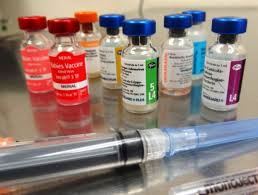
canine vaccinesEvery conscientious pet owner should make themselves aware of the current thinking regarding medication for them. There are developments happening all the time, for example the new research on the health benefits of frankincense oil for dogs, which helps to boost their immune system, improve their mood and help them to manage pain. One of the most important medications for pet owners to consider is vaccines. For some time now it has been felt by authorities in this field that we are giving our pets too many vaccines too often. Research is revealing that the immunization effectiveness of most vaccines lasts far longer than was ever believed. And some vaccines are either worthless, are given to protect from some disease that isn’t serious enough to even warrant a vaccine, or should be given only if certain lifestyle conditions exist. Unfortunately, there are vets who are unaware of the latest trends or are unwilling to give up those old time “annual” requirements.

Here are some links to the current recommended protocols for immunization as issued by the American Animal Hospital Association (AAHA) and adopted by the top veterinary teaching schools:

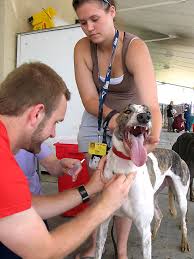
GHs at the vetThe vaccines on an AAGA Greyhound are up to date as of the adoption date. If they were NOT current when the dog arrived here in Atlanta, boosters are given at the time of his spay-neuter/heartworm test/health check visit by our vet. If the shots from the track ARE still current, we do NOT repeat them just for the convenience of the potential adopter! We elect instead to follow a “what’s best for the dog” policy and give no unnecessary vaccines.

Following adoption, we recommend the following “core” vaccines:

  • A 3-year rabies shot one year following the last rabies shot, except where the previous one was already a 3-year shot. Rabies shots should then be given at 3-year intervals thereafter. (That much rabies vaccine is probably not necessary, but it’s the law!)
  • A 1-year DHPP shot one year following the last DHPP shot. If the vaccine is manufactured by Pfizer (as used by our vet), then this new inoculation may now be considered good for 3 years. (For vaccines produced by other companies, you will have to confirm efficacy with your vet.) NOTE: If the most recent DHPP shot was given by our vet, we will indicate on the adoption records if it is to be considered as lasting 3 years.
  • Bordetella vaccine, intranasally or orally, once a year. (Even this vaccine is in question, as there are many forms of kennel cough, and the Bordetella vaccine only protects against a couple of them. Besides, kennel cough is generally not life-threatening in an otherwise healthy dog; it’s comparable to the common cold in humans. Nevertheless, some boarding facilities require it prior to admittance.)

All other vaccines are considered “non core” and should be administered only if special conditions are present (e.g., certain areas of the country, particular dog occupations, exposure to special health hazards, etc). You will have to discuss with your vet which he/she recommends and then weigh the pros against the potential health risks.

One of the newest ideas in immunology is titering. Before given any vaccine, the dog is tested to see if he still has immunity. If he does, no vaccine is given. Unfortunately, at this time, titering is still relatively expensive (maybe $50 to $200). So, dog owners elect to just give the shot rather than first pay for the test AND then for the shot anyway if it is determined to be needed. Hopefully, quick and inexpensive titering tests will be available in the not-too-distant future.


OSTEOSARCOMA

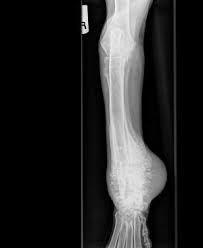
osteosarcoma2 osteosarcomaOsteosarcoma “Bone cancer” is the bane of all long-legged breeds, including the Greyhound. Previously, a diagnosis of this horrible, excruciatingly painful disease was a death knell for your beloved pet.  However, more and more research is being focused on this condition, and almost every day new protocols are being published for its management. The results of new treatments are encouraging for successfully extending the life of its victims, with the one-day goal of developing an osteosarcoma vaccine.  If confronted with this disease, you will no doubt be faced with making some heart-wrenching decisions regarding your beloved hound and the path to take.


HEARTWORMS

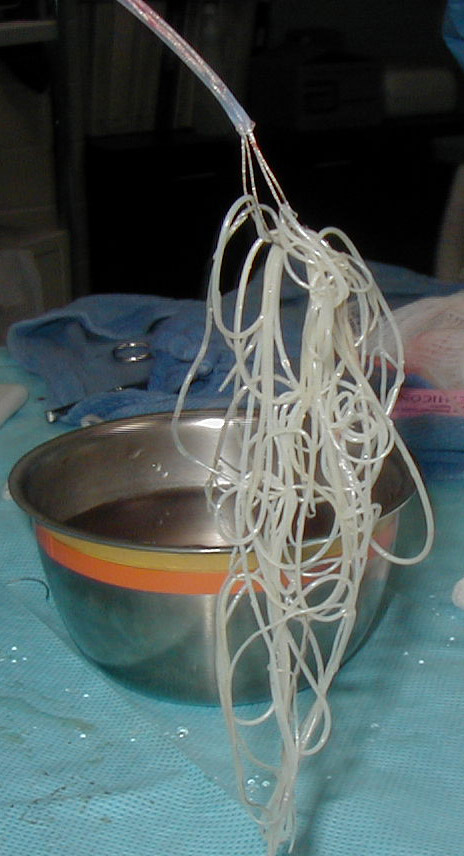
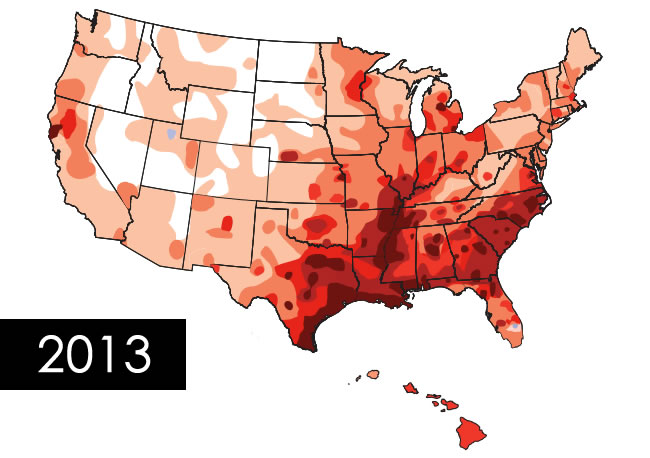
Heartworms_2Heartworm prevalent areasHeartworm preventative is absolutely essential for any dog in this part of the country. Heartworms are carried and transmitted by mosquitoes. If your home is plagued by mosquitoes, you’ll want to create a safer environment for your dog to avoid this sort of thing happening to them. Therefore, you may want to consider pest control services near you, like these – https://www.pestcontrolexperts.com/local/idaho/nampa/. Growing up to a length of 16 inches, these worms multiply and float through the dog’s circulatory system and lodge in the heart, blocking the normal flow of blood and eventually causing heart failure. Once your dog gets heartworms, there are only two alternatives: You must either treat him for the heartworms or put him to sleep, because, without treatment, he will most likely die.

The heartworms must be killed. There are in practice two methods of heartworm treatment: “fast kill” and “slow kill”.

“Fast kill” is the most recommended. It involves several steps of medications and procedures carried out under the direction of a veterinarian over a lengthy time period. It BANDIT testing new kennelsis expensive – $1000+ – and very hard on the animal. Depending on your veterinarian’s protocol, the dog is given one to three painful and almost lethal injections of a toxic medication over a period of 60 days in order to kill the heartworms. Recovery is long and difficult. During treatment the dog must be kept quiet, with activity at an absolute minimum, for one month following eachinjection.
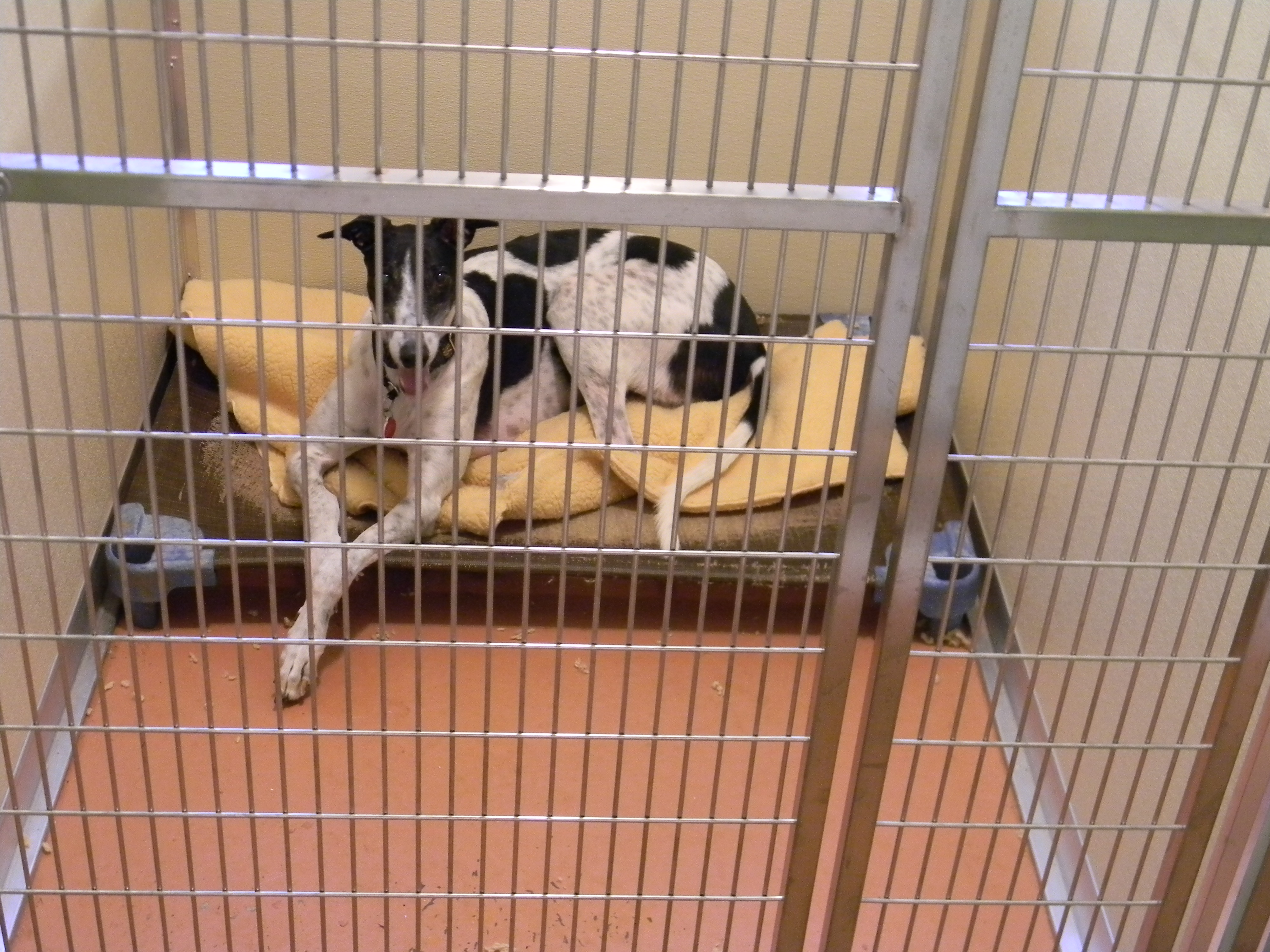
Because the expense of “fast kill” is out of reach for many, another option – if the dog is stable and has a very mild case – is to just leave it on an ivermectin-based preventative, a treatment referred to as “slow kill.” However, the dog may remain heartworm positive for two years or more, during which time the damage to the animal continues to progress. Yet, it is better than no treatment at all. Recently, however, studies show that this treatment contributes to the development of resistant heartworm strains that cannot be stopped by any known preventatives. For this reason, the Companion Animal Parasite Council has recommended that the “slow kill” protocol NEVER be used, regardless of the state of the patient. It is their belief that the heartworm infection must be resolved definitively and promptly so as to limit the damage to the animal and to preserve the effectiveness of the medications we have. (For a more extensive description of heartworm and its treatment, go to http://www.marvistavet.com/html/body_heartworm_treatment.html.)
HeartgardThe most common heartworm preventative is a tablet given monthly. There are a number of brands, and they require a prescription and a prior negative heartworm test. See your veterinarian for his/her recommendation.

Note: There is currently in the news a lot of negative information about the brand Trifexis, a combination flea, tick, and heartworm medication. While no final decisions-pro or con-have yet been reached as to the safety or potential dangers of Trifexis, we feel you should first be aware of the controversy before you elect to use it. Our stance at AAGA is that, until further testing is done and Trifexis is proven absolutely safe, why take the chance of possibly endangering your pet’s health when there are a number of other tried-and-true products out there to choose from.

 

BLOAT

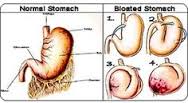
Bloat and the similar conditions of torsion and GDV can occur in any breed but Bloated stomachare most prevalent in large deep-chested dogs.  While it is often listed as one common to Greyhounds, here at AAGA, in over 5600 Greyhounds, we have only seen or heard of 3 to 4 cases.  In fact, Dr Suzanne Stack, a Greyhound expert, states that “(1) bloat is mostly genetic and is more common in show (AKC) Greyhound lines; and (2) racers gobble one meal daily from a bowl on the floor and bloat is emergencyrarely bloat.” Nevertheless, owners should be aware of the condition as it is a very serious affliction that happens suddenly and requires immediate treatment  (i.e., surgical intervention) by a veterinarian (within 2 hours of first symptoms) if the animal is to be saved. You can find a detailed and easily readable article on identifying bloat and its similar conditions here.

CORNS

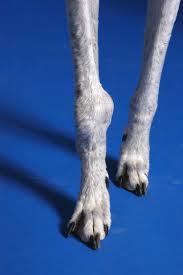
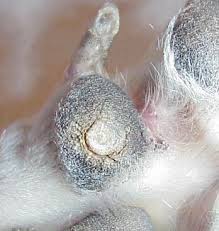
If you have a Greyhound who starts limping, one of the first things he should beGH corn checked for is corns on the pads of his feet.  Since corns only occur in Greyhounds, this diagnosis is almost universally missed by a veterinarian not used to treating this breed, and, unfortunately, an unnecessary, unsuccessful and expensive bout of xrays, therapies, and medications may ensue, Here is a resource for acquainting yourself with this frustrating, but manageable, condition: Grassmere Animal Hospital.


HAPPY TAIL

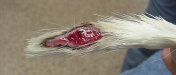
Happy tail3A Greyhound’s tail is long, bony, and whip-like.  Because it contains little tissue and the skin is thinly stretched over it, the tail can break open at the end if an enthusiastic tail-wagger (hence the name) severely and repeatedly bangs it against a wall, a cabinet, or some other hard surface.
Because the blood vessels are so close to the surface, it bleeds profusely and blood is thrown everywhere. While the situation is certainly not life-threatening, it sure can require a lot of effort to clean it up.

Bandaging the tail is a challenge, as  the bandage can be immediately whipped off an ever-moving slender, tapering tail. If one can get a bandage to stay on, the tail can heal, albeit slowly.  However, the next whack on a hard object may break it open again. Sometimes, as a last resort — and this is fairly common — the thin damaged end of the tail has to be amputated to stop the vicious cycle.

If you find yourself with a happy tail situation, here are some instructions on how to create a hopefully successful bandage:  Tail bandaging

Greyhound owners with happy-tailed hounds get very adept and creative at bandaging. Ask around and you may be able to find one who has mastered the art.  You might want to try this innovative Greyhound tail sling: http://www.featheredgems.com/blog/?p=292